
How HELOC Lenders Calculate Your Borrowing Power in 2026 sets the stage for this enthralling narrative, offering readers a glimpse into a story that is rich in detail with casual formal language style and brimming with originality from the outset.
Understanding how HELOC lenders determine your borrowing power is crucial in navigating the financial landscape of 2026. This comprehensive guide delves into the intricate process of calculating borrowing power and sheds light on the key factors that influence this calculation.
Understanding HELOC Borrowing Power Calculation
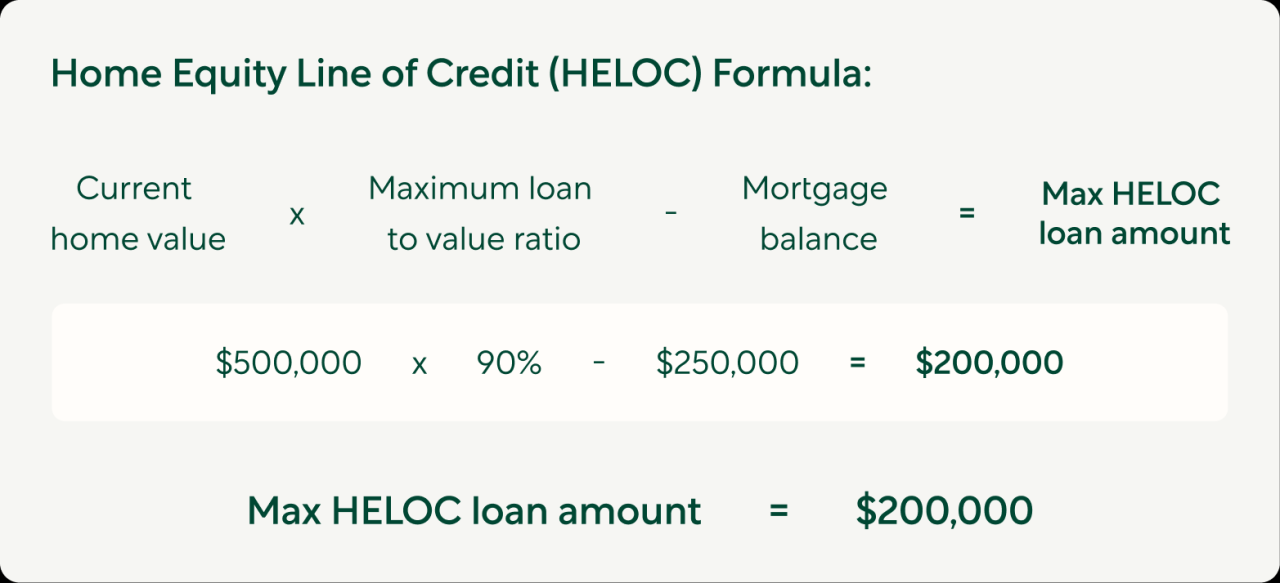 HELOC borrowing power refers to the maximum amount of money a homeowner can borrow against the equity in their home through a Home Equity Line of Credit (HELOC). This borrowing power is determined by various financial factors that HELOC lenders take into consideration.
Factors Considered by HELOC Lenders
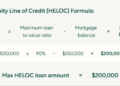
- Home Equity: The value of the borrower's home minus any outstanding mortgage balance.
- Loan-to-Value Ratio: The percentage of the home's value that can be borrowed against.
- Credit Score: A higher credit score usually results in a higher borrowing limit.
- Debt-to-Income Ratio: Lenders assess the borrower's ability to repay the loan based on their income and existing debt obligations.
- Income: A higher income can increase the borrower's borrowing power.
Impact of Financial Elements on Borrowing Power
- Example 1: A homeowner with $100,000 in home equity, a credit score of 750, and a debt-to-income ratio of 30% may qualify for a higher borrowing limit compared to someone with lower equity and a lower credit score.
- Example 2: If a borrower's income increases significantly, their borrowing power may also increase, allowing them to access more funds through a HELOC.
Income Verification
Income verification plays a crucial role in determining your borrowing power for a HELOC. Lenders need to assess your income to ensure you have the financial capacity to repay the loan.Assessment of Different Sources of Income
When evaluating your income, lenders consider various sources such as salary, bonuses, rental income, alimony, investments, and more. Each income source is weighted differently based on its stability and consistency.- Employment Income: Lenders typically rely on W-2 forms, pay stubs, and employment verification to confirm your salary and job stability.
- Self-Employment Income: For self-employed individuals, lenders may require tax returns, profit and loss statements, and business bank statements to verify income.
- Rental Income: Documentation such as lease agreements, rental receipts, and tax returns may be needed to validate rental income.
- Investment Income: Statements from brokerage accounts, dividend income, and interest earnings are used to assess investment income.
Documentation Required for Income Verification
To verify your income, lenders typically ask for the following documents:- Recent pay stubs
- W-2 forms
- Tax returns (personal and business, if applicable)
- Bank statements
- Profit and loss statements (for self-employed individuals)
- Documentation of rental income
Debt-to-Income Ratio Analysis
When it comes to determining borrowing power for a HELOC, the debt-to-income ratio plays a crucial role. This ratio helps lenders assess an individual's ability to manage additional debt responsibly.
Significance of Debt-to-Income Ratio
The debt-to-income ratio is a key metric used by lenders to evaluate how much of a borrower's monthly income goes towards debt payments. It gives insight into the borrower's financial health and their capacity to take on new debt.
- A lower debt-to-income ratio indicates that a borrower has more disposable income available to cover new debt obligations, making them a lower risk for lenders.
- Conversely, a higher debt-to-income ratio suggests that a borrower is already heavily burdened with debt, which could raise concerns about their ability to repay additional loans.
Calculating Debt-to-Income Ratio
Lenders calculate the debt-to-income ratio by dividing the total monthly debt payments of the borrower by their gross monthly income. The result is expressed as a percentage.
Debt-to-Income Ratio = (Total Monthly Debt Payments / Gross Monthly Income) x 100%
Impact of Debt-to-Income Ratio on Borrowing Power
A high debt-to-income ratio limits borrowing power as it indicates a higher level of existing debt relative to income. Lenders may be hesitant to extend additional credit to borrowers with a high ratio, as it increases the risk of default.
On the other hand, a low debt-to-income ratio signifies that a borrower has more financial flexibility and can comfortably take on additional debt. This can result in a higher borrowing power and more favorable loan terms.
Credit Score Evaluation
When it comes to assessing your borrowing power for a HELOC, your credit score plays a crucial role. Lenders use your credit score as an indicator of your creditworthiness and financial responsibility. A higher credit score typically signifies lower risk for the lender, which can result in better terms and higher borrowing limits for you.Interpretation of Different Credit Score Ranges
- Credit scores above 800: Excellent credit. Borrowers with scores in this range are likely to qualify for the best HELOC terms, including lower interest rates and higher credit limits.
- Credit scores between 740-799: Very good credit. Borrowers falling in this range are also considered low risk and are likely to receive competitive HELOC offers.
- Credit scores between 670-739: Good credit. While borrowers in this range may still qualify for a HELOC, they might face slightly higher interest rates and lower credit limits.
- Credit scores below 670: Fair to poor credit. Borrowers with credit scores below 670 may have difficulty qualifying for a HELOC or may receive less favorable terms.
Remember, each lender may have slightly different criteria for credit score ranges, so it's essential to check with the specific lender you are considering.
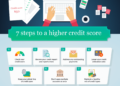
Tips to Improve Credit Scores for Increased Borrowing Power
- Pay your bills on time: Late payments can significantly impact your credit score.
- Reduce your credit card balances: Keeping your credit card balances low relative to your credit limits can boost your score.
- Avoid opening new credit accounts unnecessarily: Multiple recent credit inquiries can lower your score.
- Regularly check your credit report for errors: Correcting any inaccuracies on your credit report can help improve your score.
Ultimate Conclusion
In conclusion, grasping the methodology behind how HELOC lenders calculate your borrowing power in 2026 empowers you to make informed financial decisions. With a keen understanding of the intricacies involved, you can strategically leverage your financial standing to access the funds you need.
Answers to Common Questions
How do HELOC lenders assess different sources of income?
Lenders typically verify income through pay stubs, tax returns, and bank statements to ensure stability and reliability of income sources.
What impact does a low debt-to-income ratio have on borrowing power?
A low debt-to-income ratio indicates a lower level of debt compared to income, which can increase borrowing power by showcasing financial stability.
How can individuals improve their credit scores to enhance borrowing power?
Improving credit scores involves timely payments, reducing outstanding debt, and monitoring credit reports for any discrepancies.